
Owning and operating a franchise business is no small feat. Countless factors shape the viability of the investment, the business launch and ongoing ability to operate successfully.
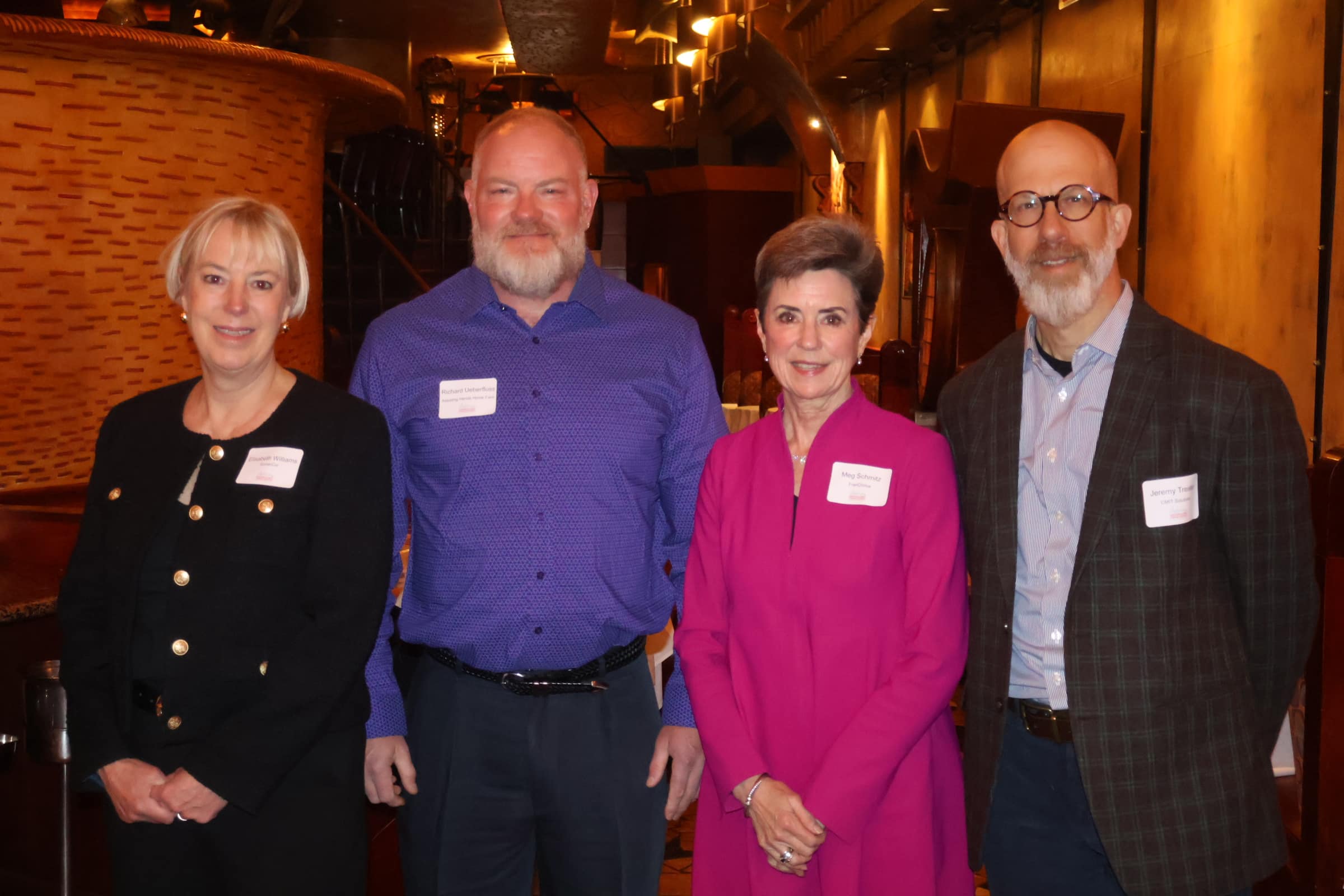
At the initial Northern Illinois Franchise Association (NIFA) luncheon of 2026, a panel of franchise professionals came together to discuss what it really takes to franchise with confidence in 2026. From financing and candidate readiness to generational shifts and emotional barriers, the panel made a few things clear: franchising requires franchisees to have both a rock-solid business plan and a lot of self-awareness.
Capital Is Key
One of the crucial themes throughout the discussion was the importance of financial readiness. Elisabeth Williams, Executive Vice President at SomerCor, explained that while the SBA 504 program remains a valuable financing tool for franchise borrowers, lenders have become more conservative in recent years. That caution is especially apparent in sectors like restaurants, where tighter credit standards have made preparation and financial strength even more important.
That conversation paired naturally with Meg Schmitz’s perspective. As a FranChoice Senior Franchise Consultant, Meg emphasized that one of the biggest challenges she faces is getting people to be honest with themselves about their financial capabilities. Too often, candidates are drawn to the idea of business ownership without fully understanding what level of investment aligns with their lifestyle, goals and risk tolerance.
Together, these insights underscored an important point for franchising in 2026: entering the process with a realistic understanding of the financial element is essential.
Younger Generations Are Getting Involved
The panel also highlighted a meaningful shift in who is pursuing franchise ownership. Richard Ueberfluss, President and owner of Assisting Hands Home Care Naperville and the Regional Developer for Assisting Hands Franchise in Illinois and Wisconsin, noted that while franchising has long attracted professionals in their 40s and 50s, he is increasingly seeing younger candidates enter the space. In some cases, these individuals are intentionally choosing franchising earlier, drawn by the opportunity to create a career path outside the conventional corporate model.
While candidates may be approaching business ownership with different motivations, they still need the same strong foundation of capital, operational discipline and a willingness to follow a system.
Jeremy Treister brought an especially relevant perspective to the conversation, particularly for younger generations entering franchising. As the President and owner of CMIT Solutions of Chicago Downtown, Jeremy emphasized that while the idea of being your own boss is appealing, the early stages of ownership require a significant amount of hands-on work, problem-solving and day-to-day involvement. He reflected on how his role has evolved, from being deeply embedded in the business to stepping into more strategic leadership.
Still, he noted that progression is earned through consistency, discipline and a willingness to put in the work upfront. For younger operators, it’s an important reminder that while franchising can create long-term flexibility and scale, it doesn’t replace the effort required to build a strong foundation.
Overcoming Fear Is Essential
If capital is the practical foundation of growth, fear may be the emotional barrier that prevents it. Richard said that the biggest thing holding franchisees back from scaling is fear. In his experience, growth requires owners to trust the model, invest in people, spend on marketing and act before every variable feels fully certain.
Elisabeth added another dimension to this theme through the panel’s discussion of private equity in franchising. As more franchise systems are acquired and consolidated, that shift can introduce uncertainty for franchisees and prospective borrowers alike. While private equity is not inherently negative, the panel acknowledged that these acquisitions could create fear among operators who worry that culture, leadership and decision-making priorities may change.
This conversation made clear that fear shows up in many forms in franchising. It can be fear of financial risk, fear of operational complexity or fear of change within a franchise system. But if brands and owners want to scale, that fear must be addressed directly.
Final Thoughts
NIFA’s Q1 panel offered an honest and insightful look at what franchising in 2026 really demands. Capital remains essential, but so does financial self-awareness. Younger generations are entering the space with fresh motivations and long-term potential. And perhaps most importantly, sustainable growth requires franchisees to push past fear and invest in the systems, people and strategies that enable scale. A huge thank you to Meg Schmitz, Jeremy Treister, Richard Ueberfluss and Elisabeth Williams for sharing their perspectives at this quarter’s luncheon.Stay tuned for details on our next NIFA gathering by following our LinkedIn.